The Hüsnü M. Özyeğin Foundation implements a comprehensive Rural Development Program predicated on the principle that "the right to development is a fundamental human right”. This program employs an integrated, human-centered, gender-equitable, and pro-poor methodology, which is consistently applied throughout all stages, from planning to execution. Program activities are collaboratively designed with relevant institutions and community members, with the objective of equipping individuals with the knowledge, skills, and resources necessary to foster sustainable progress in rural communities.
The Foundation's Rural Development Program comprises seven interconnected components, reflecting a holistic development strategy. This strategy encompasses initiatives focused on economic and social welfare enhancement, environmental sustainability, women's empowerment, infrastructure development, strategic partnerships, and organizational capacity building to ensure long-term program viability. The program aims to influence rural policies through the establishment of enduring structures.

Rural Development Final Report

Kavar Basin Rural Development Project

The Kavar Basin Rural Development Project was initiated in 2009 with preliminary field studies conducted in the Kavar Basin, encompassing 6 villages and 5 hamlets within the Tatvan district of Bitlis, and affecting a population of 2,000 residents. The Hüsnü M. Özyeğin Foundation executed the project from 2009 to 2015, incorporating extensive field operations and continuing support through consultancy services to the Kavar Cooperative. Comprising numerous sub-projects and activities, the Kavar Basin Rural Development Project has significantly contributed to the field of rural development. Its innovative approaches, including a focus on ecology, women's empowerment, social welfare, a community-based strategy, and the direct engagement of local populations in planning and implementation, distinguish the project. The project's quantitative and qualitative impact assessment report remains a valuable resource, representing a notable example in the field.

Rural Development Program Final Impact Evaluation Report

Ravanda Basin Rural Development Project

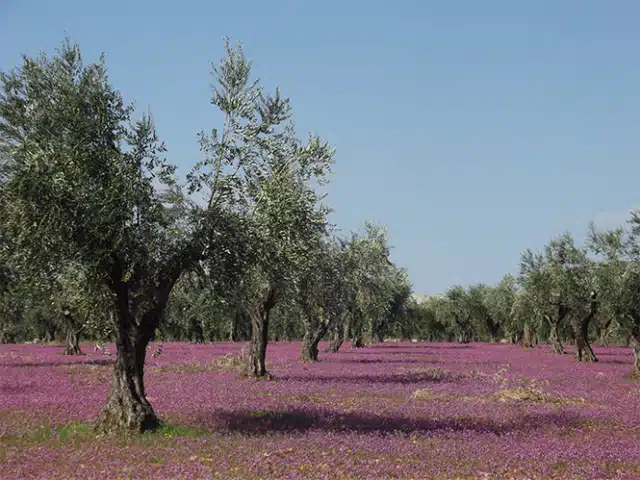
The second rural development program, initiated in 2012 within the Ravanda Basin, targeted a population of 2,200 residents across 8 villages in the Polateli and Musabeyli districts of Kilis. Concluded in 2019, the Ravanda Rural Development Project was strategically designed as a rural development initiative with a specific focus on women's empowerment. The Hüsnü M. Özyeğin Foundation continues to provide consultancy services to the Ravandalı Women's Association. The Ravanda Basin Rural Development Project, through its comprehensive approach to enhancing grape and olive production, promoting small-scale animal husbandry (key sectors of the regional economy), and improving overall social welfare, continues to generate significant and lasting positive impacts.

Ravanda Basin İmpact Evaluation Report

Students from Tokaçli village in Kavar have become “pen pals” with children from the low-income uptown neighborhood of Chicago through a joint project titled “Bridge: Chicago-Kavar Pen Pal Project.” The children exchange letters to form cross-cultural friendships.

The mission of Hüsnü M. Özyeğin Foundation is to develop models that focus on empowering rural communities in the field, to steer rural development policies and contribute to their formulation and to support this process with academic work and with partnerships.


KAVAR AGRICULTURAL DEVELOPMENT COOPERATIVE

Hüsnü M. Özyeğin Foundation believes that sustainability of the project depends on the fact that the beneficiaries have a say in the process of formulation and implementation of project activities. It is this participatory process that ensures the ownership of the project by the local community. The Kavar Agricultural Development Cooperative, which was established in 2011 after extensive community discussions, field trips to see best practices in other regions, and various trainings, is a typical successful example of this participatory approach.


RAVANDA WOMEN’S ASSOCIATION

As a part of Hüsnü M. Özyeğin Foundation’s Ravanda Basin Rural Development Project, following more than two years of women’s organizing efforts, the women of Ravanda have come together to establish a women’s association in their village. Initially, the women participated in capacity-building sessions focused on community organization, covering topics such as the importance of organizing, mutual trust and openness, participation, and strategies for navigating success and failure. Product sales are conducted through the association’s website, with additional orders fulfilled via Good4Trust. Updates on the Ravanda Women's Association's activities are available on their website and social media channels.
http://www.ravandalikadinlar.com/

https://good4trust.org/ravandali_kadinlar
https://ravandalikadinlar.org/

Local and Rural Development Training Certificate Program
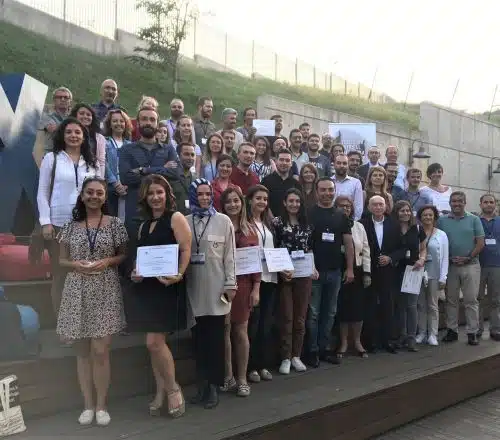
This certificate program offers a comprehensive exploration of alternative approaches and best practices in local and rural development, encompassing diverse thematic areas from gastronomy to rural tourism. Designed to equip participants with practical knowledge, the program effectively bridges the gap between academic theory and field application. With a proven track record of 11 years and 13 programs, we have empowered over 500 individuals through this initiative. The Hüsnü M. Özyeğin Foundation and Özyeğin University have proudly hosted numerous academics, researchers, representatives from national and international non-governmental organizations, local administrators, and producer organization representatives, facilitating the sharing of invaluable knowledge and experience with participants. As a unique program of its kind, this certificate serves as a key reference point for professionals engaged in local and rural development across the public sector, academia, and civil society. Access to the content of all previously implemented certificate programs is available here.

RURAL DEVELOPMENT PROGRAM GOALS ACHIEVED

Economic Development

  • 50 % increase in revenue
  • Ensuring specialization in at least one crop in the basin
  • Decrease in seasonal migration for work
  • Increase in the use of new agricultural technology

Infrastructure

  • Provision of a sound sewage infrastructure
  • Provision of clean water for all households
  • Improvement of intra-village roads
  • Establishment of community spaces (village rooms)

Environment and Protection of Natural Resources

  • Increase in awareness and protection of biodiversity and natural resources
  • Protection of pasturelands and preservation of the ecosystem in Kavar
  • Preservation of traditional and natural means of production
  • Increase in eco-friendly farming practices

Rural Policies

  • Establishment of an independent monitoring system for impact-evaluation
  • Creating dialogue on rural poverty and rural development among NGOs, governmental agencies and academia
  • Attracting the attention of the private sector to issues of rural development and rural poverty.

Social Development

  • Increase in literacy ratios
  • Provision of early childhood education services
  • Increase in primary school graduation ratios and increased enrollment in secondary education
  • Increase access to basic health services
  • Decrease in prevalence of infectious diseases.

Women’s Empowerment

  • Increase in women’s literacy
  • Increase in the rate of visits to the hospital during pregnancy
  • Increase in hospital delivery rates
  • Increase in the use of vaccination registration cards
  • Increase in the regular use of modern methods of birth control.

Partnership and Collaboration

  • Doubling the project budget through public and third-party investment in Kavar
  • Increase in cooperation and partnership between Kavar community and the local government.